The Forgotten Tracks: Muscle Shoals Deep Cuts That Left Their Mark on Music History
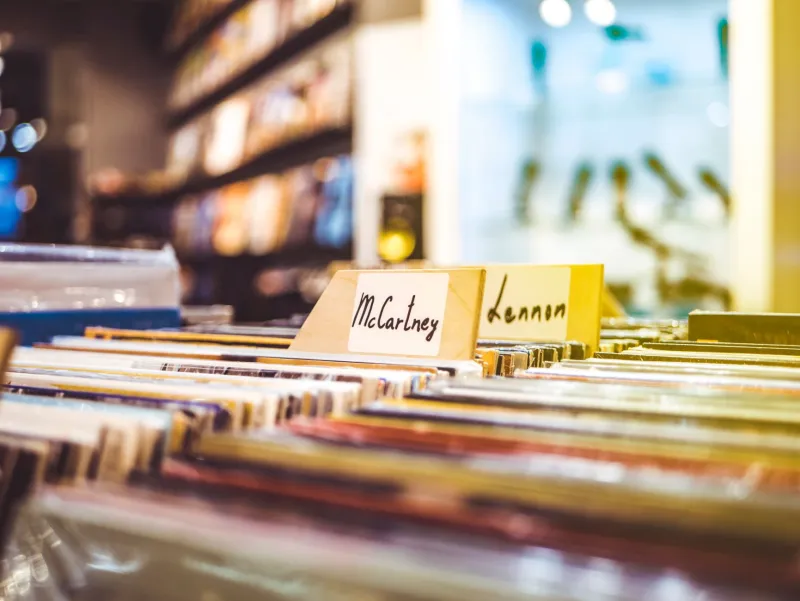
Everybody knows "Mustang Sally." Everybody knows "When a Man Loves a Woman." The greatest hits of the Muscle Shoals era have been celebrated, analyzed, and streamed into immortality. But if you really want to understand what made that stretch of the Tennessee River Valley one of the most creatively fertile places in American recording history, you have to dig a little deeper.
The stuff that didn't chart. The album tracks that got skipped on the radio. The B-sides that nobody flipped over. That's where some of the most influential work actually lives — and it's time to give it its flowers.
1. Boz Scaggs — "Loan Me a Dime" (1969)
Boz Scaggs' self-titled debut album, recorded at FAME Studios with the Swampers and featuring a young Duane Allman on guitar, barely registered commercially when it dropped. But "Loan Me a Dime," the sprawling, 13-minute blues epic that closes the record, became one of the most passed-around tapes among musicians in the early 1970s.
Allman's guitar work on this track is genuinely staggering — a masterclass in building emotional intensity across an extended improvisation. Many music historians point to this session as a key moment in Allman's development as a slide guitarist, the technique he'd carry directly into the Allman Brothers Band's classic recordings. Without "Loan Me a Dime," the Southern rock explosion of the early '70s might have had a very different shape. The track barely moved units, but it moved people — specifically, the musicians who would go on to define an era.
2. Etta James — "I'd Rather Go Blind" (1967)
Okay, so this one eventually found its audience — but it took decades. When "I'd Rather Go Blind" was first released as a B-side, it went largely unnoticed outside of R&B circles. The song, recorded at FAME Studios in Muscle Shoals, showcases Etta James at an almost unbearable emotional pitch, with the Swampers' rhythm section providing a spare, aching backdrop that gives her nowhere to hide.
The track's real influence played out in slow motion. British rock artists — most notably Rod Stewart, who later recorded his own version — discovered it and spread the gospel overseas. By the time the song entered the broader cultural conversation, its DNA was already woven into an entire generation of blue-eyed soul and heartbreak rock. It's a textbook example of how Muscle Shoals recordings operated on a delayed fuse.
3. Arthur Alexander — "You Better Move On" (1962)
Arthur Alexander doesn't always get his due in the Muscle Shoals origin story, but he arguably fired the starting gun. "You Better Move On," recorded at FAME Studios in Florence, Alabama, was a modest R&B hit domestically — but its international reach was something else entirely. The Rolling Stones covered it. The Beatles covered it. It became part of the foundational repertoire for the British Invasion.
Think about that for a second. A record made in a small Alabama studio by a relatively unknown artist helped shape the sound of the bands that would dominate global pop music for the next decade. Alexander's recordings at FAME proved that Muscle Shoals had something universal in its grooves — a quality that transcended geography and genre in ways that nobody fully anticipated at the time.
4. Traffic — "Can't Find My Way Home" (Muscle Shoals Sessions, 1973)
Traffic's time at Muscle Shoals Sound Studio during the Shoot Out at the Fantasy Factory sessions produced some genuinely strange and beautiful music, not all of which made the final cut. The Muscle Shoals versions of certain tracks circulated among collectors and musicians for years before getting any official recognition, and they reveal a side of Steve Winwood that his more polished studio work sometimes obscured — raw, searching, and deeply rooted in American soul and blues.
The influence of these sessions on the British progressive rock and art-rock scenes of the mid-'70s is hard to quantify but easy to hear. Bands who heard these recordings came away with a new understanding of how American rhythm sections could unlock something in a vocalist. The Swampers didn't just back Traffic — they pushed them somewhere new.
5. Clarence Carter — "Slip Away" (1968)
"Slip Away" was a genuine hit, but its place in the Muscle Shoals legacy goes well beyond its chart position. What makes this recording a deep-cut in spirit is how thoroughly it was overlooked in critical conversations about the era's defining soul recordings. While Otis Redding and Aretha Franklin got the think-pieces and the retrospectives, Carter's work at FAME was quietly influencing a generation of Southern soul singers who absorbed his phrasing and delivery.
The production on "Slip Away" — that rolling, unhurried groove, the way the horns sit back instead of pushing forward — became a template that producers returned to repeatedly throughout the '70s. If you've ever wondered where certain strands of quiet storm R&B came from, spend some time with this record.
6. Paul Simon — "Take Me to the Mardi Gras" (1973)
Simon's There Goes Rhymin' Simon album was recorded partly at Muscle Shoals Sound Studio and produced some of his most joyful, rhythmically adventurous work. "Take Me to the Mardi Gras" is often overshadowed by the album's bigger moments, but the track represents something genuinely significant: a major pop artist from New York surrendering to a Southern groove and coming out the other side with something that neither he nor the Swampers could have made alone.
The recording influenced a wave of pop-soul crossover work in the mid-'70s, demonstrating that the Muscle Shoals approach could absorb and transform artists from completely different traditions. It also quietly laid groundwork for the kind of genre-blending that would define American pop music in the decades that followed.
The Bigger Picture
What connects all of these recordings isn't just geography or a shared backing band. It's a philosophy — the idea that a record could be more than the sum of its commercial parts, that something captured honestly in a room could outlast any chart position.
The Muscle Shoals studios produced hits, sure. But their deeper legacy lives in these grooves that took years, sometimes decades, to fully register. That's the thing about great music made with real intention: it doesn't expire. It just waits for the right moment to be found.
So the next time you're digging through an old record collection or falling down a streaming rabbit hole, keep an ear out for the Muscle Shoals fingerprints on the stuff that didn't make the front page. That's where the real education is.