Lock, Pocket, and Groove: How the Swampers' Bass and Drums Built the Foundation Every Hit Needed
There's a moment in a great recording where everything clicks. Not the moment the singer hits the note, not when the guitar riff lands—it's earlier than that. It's the moment the bass and drums find each other, settle in, and suddenly the whole room feels like it's breathing in unison. In Muscle Shoals, that moment came fast. Sometimes it came on the very first take.
The Swampers—the informal name for the house band at both FAME Studios and the independent Muscle Shoals Sound Studio—were a lot of things: versatile, instinctive, racially integrated in a part of the country where that still carried real risk. But the engine underneath all of it, the thing that made producers fly down from New York and London and come back again and again, was the rhythm section. Specifically, it was bassist David Hood and drummer Roger Hawkins, two Alabama natives who developed a chemistry that no amount of money or studio time could manufacture anywhere else.
What "The Pocket" Actually Means
Musicians throw around the word "pocket" like everyone knows what it means, but it's worth unpacking. The pocket isn't about tempo—it's about placement. Every note a bassist and drummer plays lands somewhere in relation to the beat: ahead of it, behind it, or right on it. Most technically proficient players sit on top of the beat, which sounds tight and precise. The Muscle Shoals rhythm section played behind it—just slightly, almost imperceptibly—which created a sensation of relaxed inevitability. The groove felt like it was rolling toward you rather than chasing you.
Roger Hawkins has talked about this in interviews, describing how he and Hood never consciously decided to play that way. It was intuitive. Hood, who came up playing gospel and country before soul, had a way of leaning into the low end of a note, letting it bloom slightly before moving on. Hawkins matched him without discussion. The result was a rhythmic feel that listeners couldn't quite name but absolutely could not resist.
The Sessions That Proved It
Listen to Wilson Pickett's "Mustang Sally," recorded at FAME in 1966. Strip away Pickett's bravado—which is considerable—and what you're left with is a bass line that moves like it's got somewhere important to be and a drum pattern that never once hurries it along. The song doesn't feel fast or slow. It feels right. That's Hood and Hawkins doing what they did better than anyone else on earth at that particular moment.
Or consider Aretha Franklin's landmark sessions at FAME in January 1967. "I Never Loved a Man (The Way I Love You)" was cut almost immediately after the band ran through it once. The groove underneath Aretha's vocal isn't flashy—there are no fills designed to draw your attention, no bass runs showing off technique. What's there is pure architecture. The low end holds the song up the way a foundation holds a house: you don't notice it until it's gone.
The Rolling Stones came to Muscle Shoals Sound Studio in 1969 for similar reasons. By that point, Mick Jagger and Keith Richards had played with some of the best musicians in the world. They wanted whatever Duane Allman had been finding down in Alabama. What they found was that the rhythm section made their songs feel looser and heavier at the same time—a combination that should be contradictory but somehow wasn't. "Wild Horses" and "Brown Sugar" both carry the fingerprints of those sessions.
The Technical Side of an Instinctive Sound
Part of what made the Muscle Shoals pocket so replicable across different genres—soul, rock, country, R&B—was the gear, but only part. Hood played a Fender Precision Bass through a modest amp setup. Hawkins favored a relatively simple kit without a lot of extra hardware. The studio itself, especially the original FAME building and later the converted coffin warehouse on Jackson Highway, had acoustic properties that were more accident than design. Low ceilings, particular room dimensions, and the natural dampening of the space meant that the rhythm section was captured with a warmth and presence that modern digital recording still struggles to replicate.
But gear tells you maybe thirty percent of the story. The rest was feel. Hood and Hawkins had played together long enough that they communicated through the music without words. Hawkins' hi-hat patterns were unusually subtle for soul and R&B of that era—he used the ride more, kept the snare dry and close, and gave the bass room to breathe. Hood, in return, didn't crowd the kick drum. They left space for each other, which paradoxically made the whole thing feel fuller.
What Modern Producers Are Finally Figuring Out
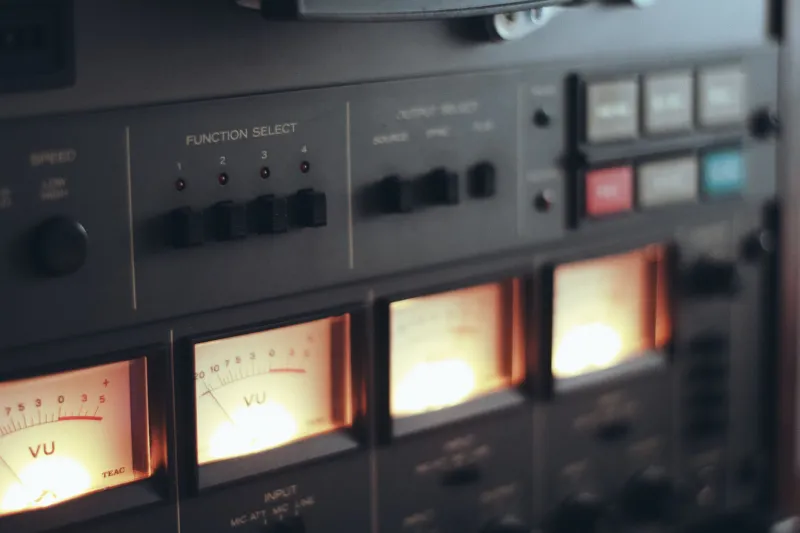
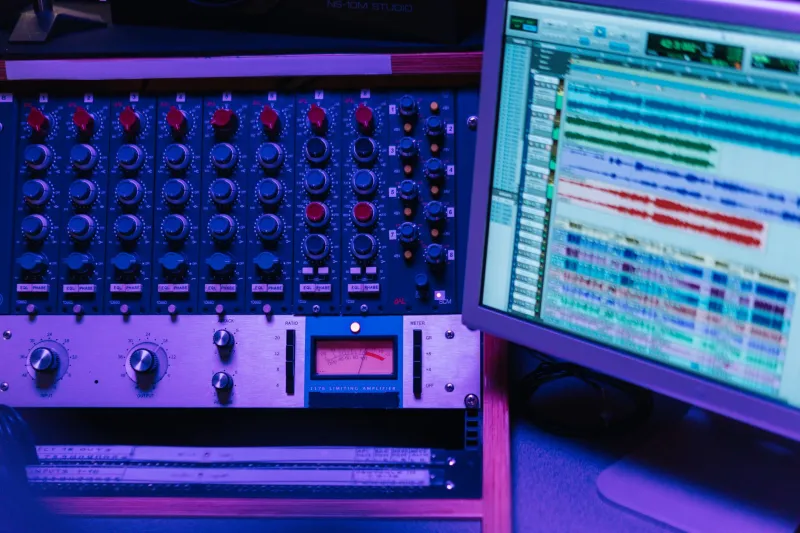
For years, producers tried to recreate the Muscle Shoals sound by chasing the surface details—analog tape, vintage mics, old Neve consoles. They got closer, but they rarely got there. The problem was that they were copying the results rather than the method.
The method, as producers like Dave Cobb and Jacquire King have noted in recent interviews, was essentially about trust and restraint. You trusted the rhythm section to find the feel, and you restrained yourself from over-directing them. You didn't quantize the bass to a grid. You didn't nudge the kick drum samples until they were mathematically perfect. You let the human beings in the room find each other, and then you captured what happened.
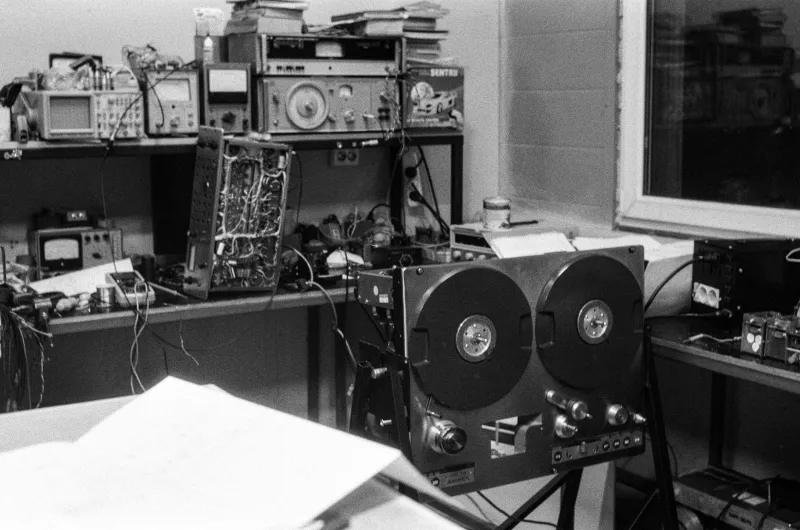
That philosophy is showing up again in studios across Nashville and Los Angeles, where a new generation of engineers is deliberately recording live rhythm sections to tape—not because tape is inherently better, but because the commitment it requires forces everyone to play with intention. You can't fix it in the mix if the tape is rolling and the take is the take.
The Invisible Backbone
There's an argument to be made that the Swampers' rhythm section was the most influential rhythm section in American popular music—more than the Funk Brothers in Detroit, more than the Wrecking Crew in Los Angeles, more than any other house band of the era. That argument rests on the breadth of genres they moved through and the consistency of the feel they brought to all of them.
The bass and drums didn't make those records famous. The singers did, the songs did, the culture did. But the reason those records still sound alive fifty-plus years later—the reason they don't feel like museum pieces—is that rhythm section. Hood and Hawkins built rooms that still hold people. The pocket they found in a little Alabama town turned out to be big enough for everyone.