Something in the Air: Why Musicians Say Muscle Shoals Starts Working on Them the Moment They Walk In
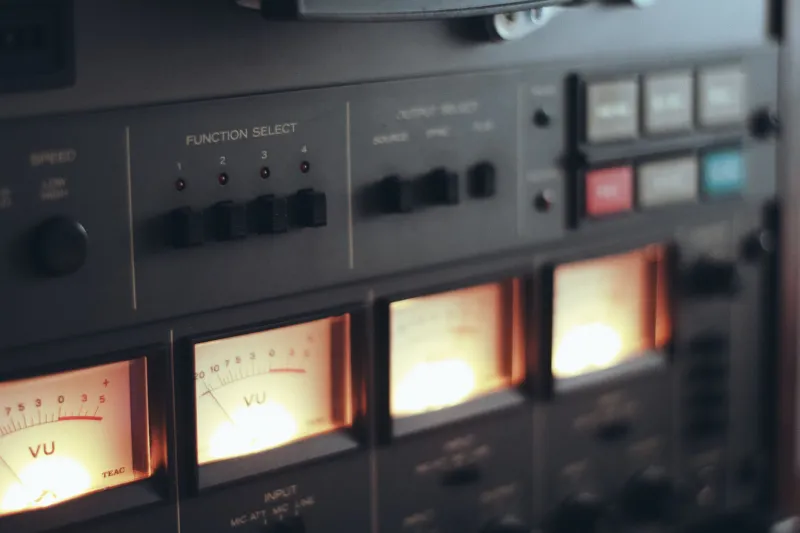
There's a moment that almost every artist who's recorded in Muscle Shoals seems to describe, and it's not the moment the tape rolls. It's earlier than that — quieter, almost private. It happens somewhere between stepping off the highway and settling into a chair in the control room. Something changes. The shoulders drop. The voice opens up. The song they've been wrestling with for three weeks suddenly makes sense.
Call it the Muscle Shoals Effect. It doesn't have an official definition, but it has a few thousand witnesses.
The First Thing You Notice Is the Silence
Northwest Alabama doesn't overwhelm you. It doesn't hit you over the head with noise or urgency the way New York or Los Angeles might. The Tennessee River moves slow. The air sits heavy. When artists describe arriving in Muscle Shoals for the first time, a lot of them reach for the same word: quiet. Not empty quiet — the kind of quiet that actually lets you hear yourself think.
That environmental contrast matters more than people give it credit for. Most recording sessions happen inside bubbles of pressure. Label deadlines, budget clocks, the psychological weight of a city that never stops reminding you what's at stake. Muscle Shoals strips most of that away before you even unpack your guitar case. The geography itself does some of the work.
But geography alone doesn't explain what artists keep reporting. The quiet is just the opening act.
The Room Remembers
When Aretha Franklin arrived at FAME Studios in January 1967, she was coming off a string of recordings that hadn't quite found her full voice. She left two days later — after one session that would generate one of the most celebrated sides in soul history — having become, in some measurable way, more herself. She'd later describe the session in terms that weren't purely technical. There was something about the room, about the way the musicians listened, about the atmosphere that let her stop performing and start feeling.
That account isn't an outlier. It's practically a genre of its own.
Wilson Pickett, the Rolling Stones, Paul Simon, Cher, Bob Seger — the list of artists who walked into a Muscle Shoals session uncertain and walked out with something they couldn't have made anywhere else is long enough to be suspicious. At a certain point, you have to stop calling it coincidence and start asking what the actual mechanism is.
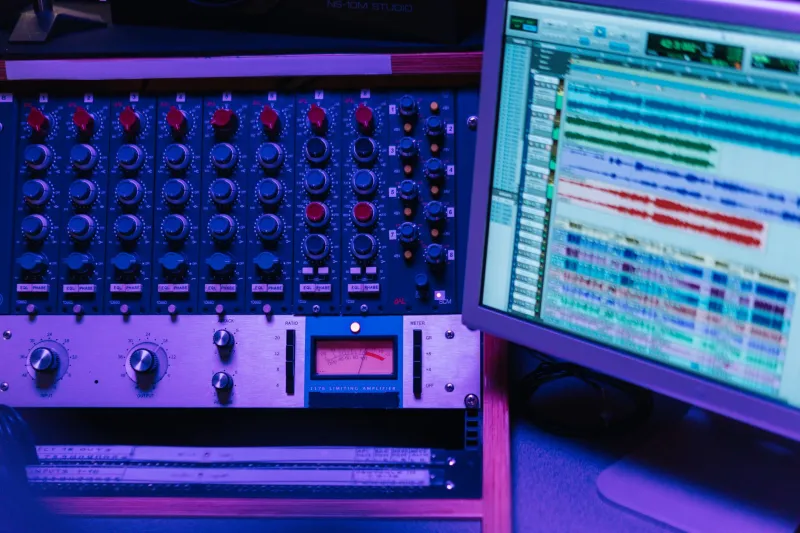
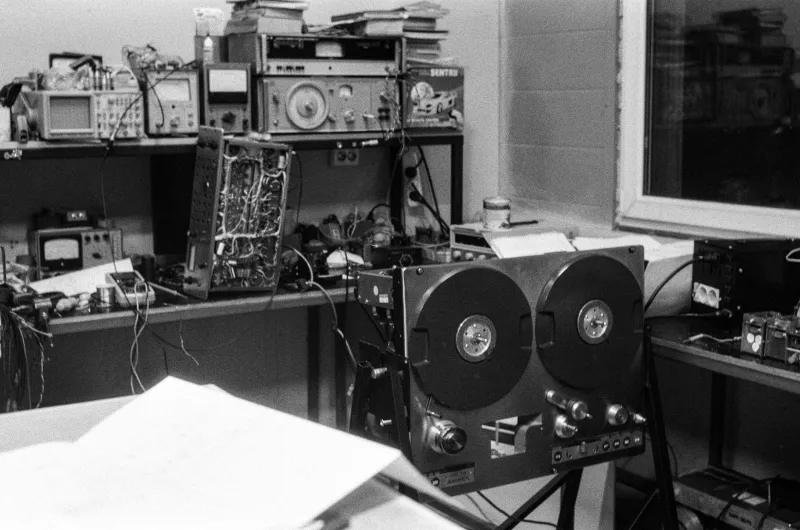
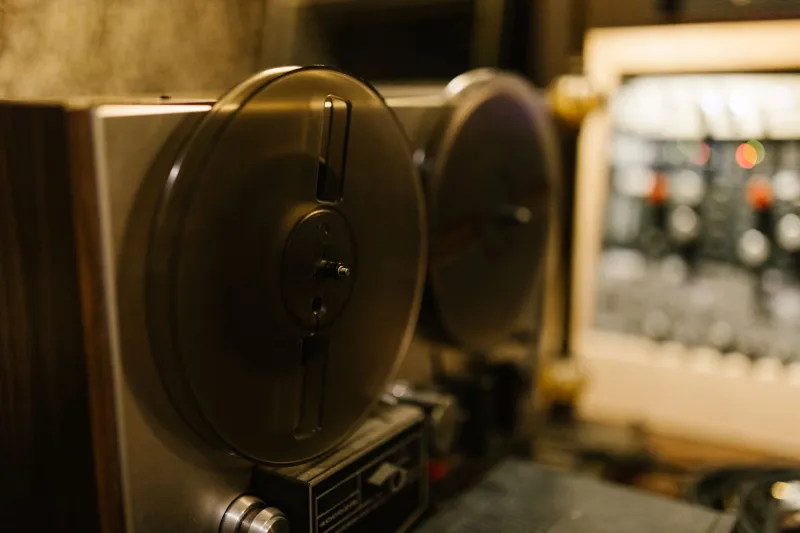
Some of it is acoustic. The original FAME building and the Muscle Shoals Sound Studio on Jackson Highway were both working rooms built for function, not prestige. Low ceilings, treated walls, tight spaces that forced musicians into close physical proximity. When you can hear the drummer breathing, when the bass player can feel the piano through the floor, something happens to the music that no amount of digital separation can replicate. The room makes you play together in ways that separate isolation booths simply don't allow.
The Human Variable
Acoustics, though, only get you so far. The other piece — maybe the bigger piece — is the people.
The Swampers, that rotating core of session musicians who defined the Muscle Shoals sound through the late '60s and '70s, had a reputation that preceded them. By the time most artists arrived, they already knew they were walking into a room with some of the best ears in the business. That knowledge changes how you perform. Not in a nervous, self-conscious way — the opposite, actually. When you trust the musicians around you completely, you stop protecting yourself. You take chances. You try the version of the song you were afraid to try in front of anyone else.
Contemporary artists who've recorded in Muscle Shoals describe something similar, even now. The institutional memory of the place is so thick that it functions almost like a collaborator. You're not just playing in a studio — you're playing in a studio where certain things have been proven possible. That proof changes what you believe you're capable of.
Is Any of This Spiritual?
Depending on who you ask, absolutely yes.
Muscle Shoals has a complicated relationship with the idea of its own mysticism. The musicians who built the sound there were working-class craftsmen — guys who showed up on time, played their parts, and cashed their checks. They'd be the first to tell you there was nothing supernatural about what they did. It was work. Good work, disciplined work, but work.
And yet. The number of artists who reach for spiritual language when describing their Muscle Shoals sessions is striking. "Something came through me." "I felt like the song was already there and I just had to get out of the way." "I don't know how to explain what happened in that room." These aren't fringe accounts from artists prone to mysticism — they're coming from pragmatic professionals who are genuinely surprised by their own experience.
Some researchers who study creativity and environment have pointed to a concept called enclothed cognition — the idea that the symbolic meaning of a place or object actually influences cognitive performance. If you believe you're standing somewhere sacred, your brain starts operating differently. Muscle Shoals may be the most potent example of that phenomenon in American music history. The belief in the room's power becomes, itself, part of the room's power.
What Happens When the Tape Actually Rolls
Here's the thing about the Muscle Shoals Effect that doesn't get talked about enough: it tends to show up in the performances, not just the stories.
You can hear it. There's a looseness in the Aretha sides, a rawness in the Stones' "Wild Horses," a directness in the way artists seem to commit to their vocals that's harder to find in more technically polished environments. The studio didn't just make artists feel different — it made them sound different. And that difference translated to record sales, to cultural impact, to songs that are still being played fifty-plus years later.
When artists today make the trip down to Muscle Shoals — and they still do, in numbers that suggest word of mouth is alive and well — they're not just chasing nostalgia. They're chasing that specific quality of performance. The version of themselves that shows up when the pressure lifts and the room holds them.
The Effect Doesn't Have an Off Switch
What's remarkable about the Muscle Shoals Effect is that it seems to be self-sustaining. Every great session that happened there adds another layer of evidence to the room's reputation, which makes the next artist believe a little harder, which makes their session a little more open, which produces something worth adding to the legend.
It's not a trick. It's not marketing. It's a feedback loop between place, history, and human psychology that has been running for more than sixty years and shows no signs of slowing down.
Some places just do something to people. Muscle Shoals is one of them. And the fact that nobody can fully explain it is probably the most honest thing you can say about it.